
 English
 中文简体
 عربى

Vacuum Pump Mechanism
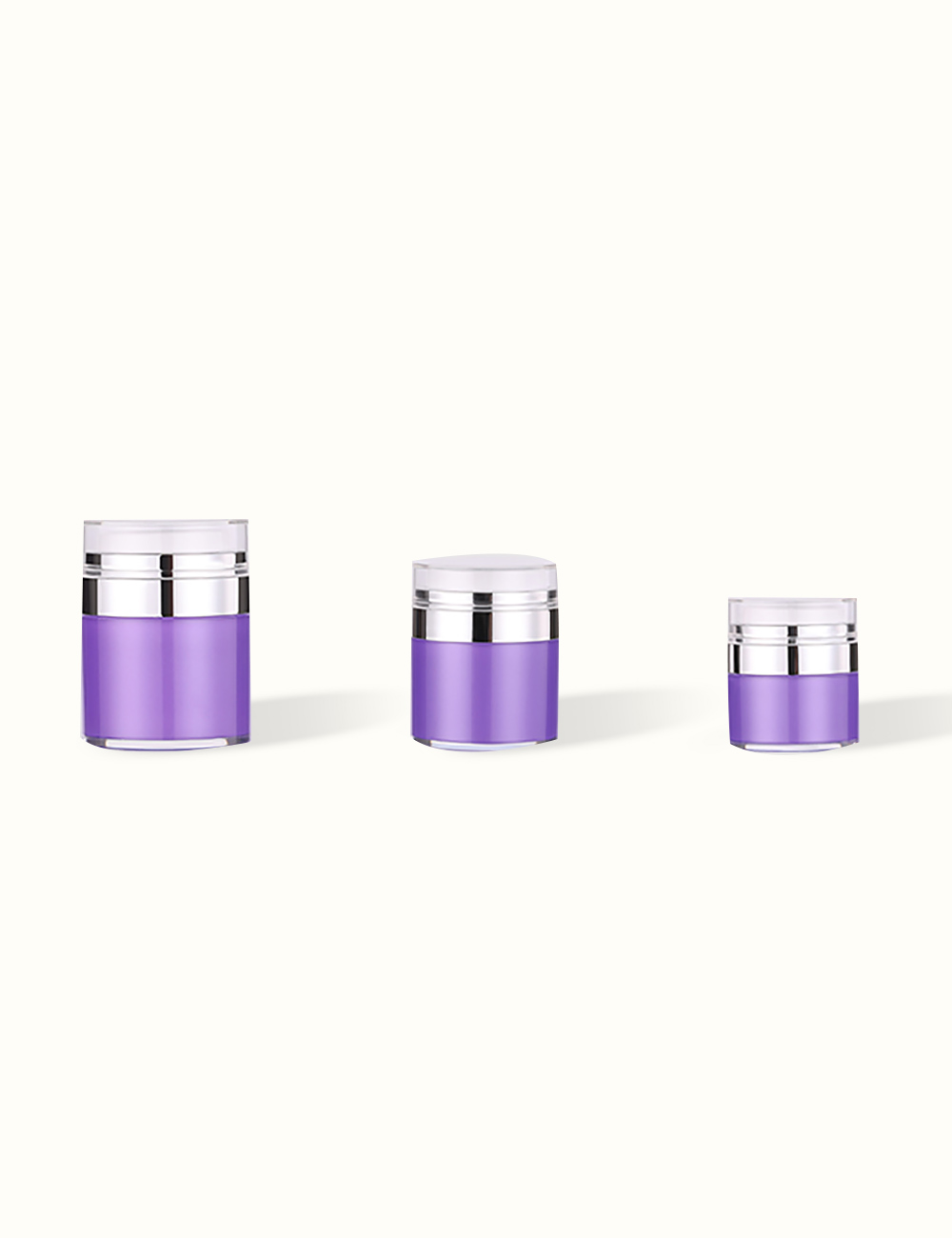
The core of an Airless Cream Jar is its vacuum pump system, which distinguishes it from conventional jars or screw-top containers. This mechanism relies on a piston at the base of the jar that moves upward when the user presses the pump, creating mechanical pressure that pushes the product through the nozzle. Unlike gravity-based or open jars, where thick formulations can resist flow and require scooping, the vacuum piston ensures that even highly viscous creams, gels, or balms are displaced efficiently and consistently. The airless system maintains a sealed environment, which eliminates backflow and prevents air from entering the container. This not only preserves the integrity of the formulation but also ensures that every pump delivers a controlled, precise dosage, even for dense or sticky products.
Precision Nozzle Design
The dispensing nozzle of an Airless Cream Jar is engineered to handle high-viscosity formulations without clogging. Internal channels are smooth and carefully dimensioned to allow thick creams to flow freely while maintaining a controlled output per pump. Many designs feature a tapered orifice that gradually reduces in diameter, enabling a smooth extrusion of the product without splattering, excessive resistance, or air entrapment. The low-friction surface and optimized flow path prevent thick creams from adhering to the nozzle or causing blockages, ensuring consistent performance over repeated use. Nozzle design is critical for premium skincare formulations, where precision and hygiene are as important as functionality.
Low Air Resistance and Sealed Environment
One of the most significant advantages of an Airless Cream Jar is its airtight, sealed environment. Traditional jars allow air to enter each time the container is opened, which can lead to oxidation, contamination, or uneven product flow. In contrast, the airless design prevents any air ingress during dispensing, maintaining uniform pressure on the formulation. This consistent pressure is particularly important for viscous or thick creams, which are more susceptible to disruption by air pockets. By eliminating air resistance, the jar ensures smooth and continuous product movement, reduces the risk of clogging, and maintains product stability over time.
Piston and Internal Component Engineering
The internal piston in an Airless Cream Jar is engineered to maintain continuous contact with the formulation, preventing gaps where thick creams could settle or harden. The piston is made of low-friction materials, such as polypropylene or FDA-compliant plastics, which slide smoothly against the jar walls even under high viscosity. This ensures that the cream rises steadily with each pump, allowing full utilization of the product without residual waste. The precise fit between the piston and the jar walls also maintains the seal necessary for airless operation, preventing leakage or loss of suction. This design is critical for high-density formulations that are prone to separation or settling, ensuring that the user receives a consistent texture and dosage every time.
User-Controlled Pressure for Thick Formulations
An Airless Cream Jar is designed to minimize user effort while handling thick creams. The pump mechanism is calibrated so that moderate finger pressure is sufficient to dispense even highly viscous products, eliminating the need for shaking, squeezing, or scooping. This ergonomic design enhances the user experience, providing smooth, effortless application while preserving the integrity of delicate formulations. Consistent output per pump ensures that the dosage is controlled, which is especially important for expensive or active ingredient-rich skincare products, reducing both waste and the risk of applying excessive product.
Formulation Compatibility and Testing
Manufacturers often test the Airless Cream Jar in conjunction with specific formulations to ensure compatibility with viscosity, density, and texture. The jar’s design—encompassing nozzle diameter, piston resistance, and airless sealing—is optimized based on the rheological properties of the cream. For dense formulations, the vacuum piston, nozzle, and internal chamber are engineered to handle shear stress without clogging or causing uneven dispensing. This pre-testing ensures that the jar performs reliably across the product lifecycle, providing consistent output for high-viscosity creams, serums, and gels while preserving ingredient integrity and avoiding separation or air pockets.
Minimization of Product Waste
The combined engineering of the Airless Cream Jar—including the vacuum piston, low-friction internal components, and airtight design—ensures that virtually all of the product can be dispensed, even in formulations that are thick or sticky. Unlike traditional jars, where dense creams can remain adhered to the sides or bottom, the airless mechanism lifts the formulation entirely toward the nozzle. This not only maximizes product usage but also enhances hygiene by preventing contamination from fingers or external tools. Minimizing product waste is particularly beneficial for premium or expensive skincare formulations, where every gram of product is valuable.
Leave a Reply
Your email address will not be published.Required fields are marked